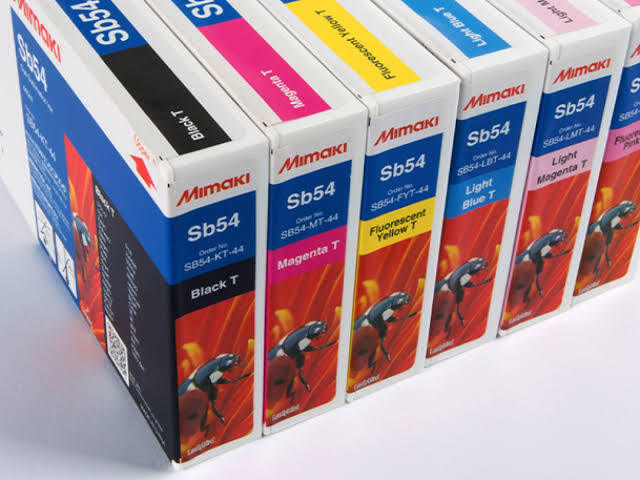
Printing technology has evolved at a breathtaking pace. Materials that once seemed impossible to handle are now standard options for creative professionals. This significant shift is driven largely by mimaki uv ink technology. In the competitive signage and industrial print world, curiosity drives growth. Innovation follows closely behind.
Print service providers always want to stand out from the crowd. They want to offer surfaces that surprise and delight their clients. This blog is written specifically for Aura Sign Advertising. We aim to help professionals in the UAE master their craft. We will explain the most unusual substrate you can print on using mimaki uv ink. And we will also explore exactly why this technology works so effectively.
What Makes Mimaki UV Ink Different?
Before we name the specific substrate, we need proper context. UV printing is not like traditional solvent or eco-solvent printing methods. The chemistry of the ink is fundamentally different.
Mimaki uv ink is cured instantly during the printing process. This ink is hardened by powerful LED light as soon as it hits the material. Because of this, the ink sits directly on the surface. It is not absorbed deeply into the fibers or pores of the material.
Because of this surface-level curing, a uv ink printer can handle rigid and non-porous materials. Heat-sensitive materials can also be used without fear of warping. As a result, your creative freedom is greatly expanded. You are no longer limited by the “soak-in” factor of traditional liquids.
How a UV Ink Printer Handles Complexity
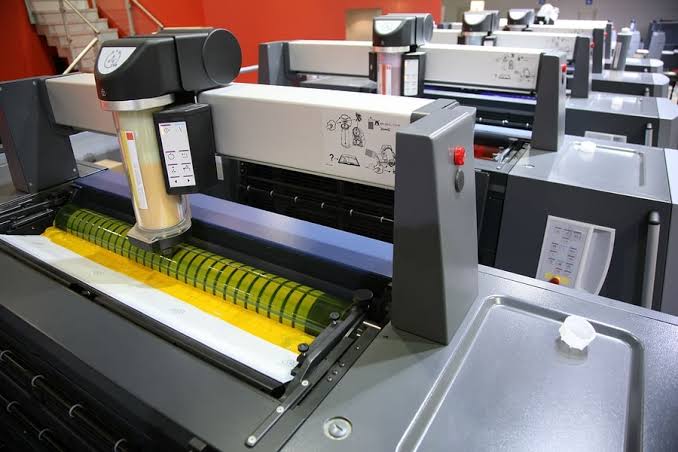
A uv flatbed ink printer works differently from standard roll-to-roll machines. The material stays perfectly flat on a vacuum bed. The print head moves with extreme precision over the stationary object.
Ink is layered carefully to build thickness if needed. Ink is cured instantly, which prevents any bleeding or blurring. This allows for incredibly sharp detail on uneven surfaces. This also allows for strong adhesion on materials that usually repel liquids. Consequently, unusual substrates become realistic, profitable options for your business.
The Most Unusual Substrate: Leather
You might be surprised to learn that leather is the most unusual and rewarding substrate for UV technology. Many people think of plastic or metal first. However, leather presents unique challenges that only high-quality ink can solve.
Why Leather Is Considered Unusual
Leather is an organic material. It is naturally textured and highly flexible. Traditional inks often struggle to stay bonded to leather. Absorption is usually uneven across the hide. Details are often lost as the ink spreads into the natural pores.
Yet, mimaki uv ink handles leather surprisingly well. It transforms a difficult organic material into a high-end canvas. This capability opens doors to the luxury branding market.
Mimaki UV Ink on Leather: Why It Works
Leather printing works because of the unique surface curing process. The ink bonds to the very top layer of the material. The ink does not soak in deeply, which prevents distortion of the hide.
As a result, colors stay vivid and bright. Fine lines remain sharp and legible. This applies to genuine cowhide and exotic skins. This also applies to PU and synthetic faux leather. Because of this versatility, luxury custom printing becomes a reality for your shop.
Common Leather Products for a UV Ink Printer

Leather is not just for the fashion industry. It is widely used in corporate branding and interior design. You can expand your portfolio significantly by offering these items.
- Corporate leather folders: Perfect for high-end meetings.
- Wallets and card holders: Ideal for personalized gifts.
- Leather notebooks: A staple for luxury stationery lines.
- Luxury packaging covers: Adds a tactile feel to premium goods.
- Automotive leather panels: Custom interiors for car enthusiasts.
All these items can be printed with ease using a uv ink printer. The durability of the ink ensures these items handle daily wear and tear.
Mimaki UV Ink and Artificial Leather
Artificial leather is often easier to control than natural hides. The surface is more consistent across the entire roll. Ink adhesion is more predictable on synthetic polymers.
Because of this consistency, mimaki uv ink is widely used for mass production. Waste is reduced because the results are repeatable. This makes it the ideal choice for bulk corporate orders in the UAE.
Why Leather Beats Other Unusual Substrates
Many substrates are labeled as unusual or difficult. Glass is common in the industry now. Wood is also a standard choice for rustic signage. However, leather is still a rare offering.
It is flexible and moves with the product. It is a premium material that commands a higher price point. And it is sensitive to heat and chemicals. Printing on leather shows the true performance of your ink printer. That is why leather truly stands out in a crowded portfolio.
Other Materials for a UV Flatbed Ink Printer
Leather may be the most unique, but it is not the only option. Let’s explore other materials that benefit from mimaki uv ink.
Mimaki UV Ink on Acrylic with Texture
Acrylic is naturally smooth and glossy. However, texture printing makes it unique and tactile. UV technology allows for raised effects or “embossing” looks.
UV ink allows for the creation of braille-style dots for accessibility. This is very popular in modern signage. This is also essential for wayfinding systems in public buildings.
Mimaki UV Ink on Ceramic Tiles
Ceramic tiles are heat resistant but very slick. They are also completely non-absorbent. With mimaki uv ink, these tiles can be fully customized with art or logos.
Short-run designs become very affordable compared to traditional kiln firing. This is ideal for bespoke interior décor. This is also perfect for branded office spaces or showrooms.
Mimaki UV Ink on Metal Sheets
Metal is rigid and often reflects light, which can be tricky for sensors. Metal also requires a very strong bond to prevent chipping. Mimaki uv ink bonds exceptionally well when surfaces are cleaned properly.
The ink produces a strong contrast against the metallic background. This is commonly used for industrial panels. It is also used for nameplates and control labels. A uv flatbed ink printer is an essential tool for these industrial applications.
Using UV DTF Ink for Complex Shapes
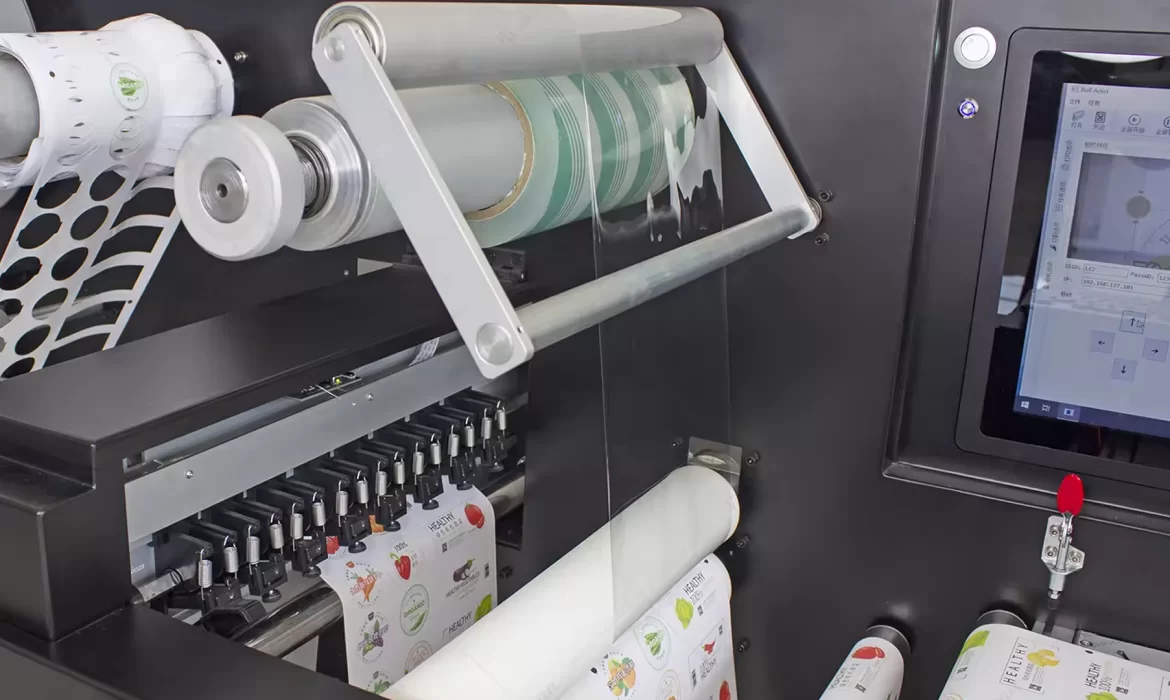
Not all unusual printing happens directly on the final object. Some projects require transfer methods for curved or irregular items. UV dtf ink (Direct-to-Film) allows for a two-step process.
The design is printed onto a special film first. Then, it is transferred to the final substrate. This allows for branding on round bottles. This also allows for branding on curved helmets or electronics. This method expands your material possibilities even further than direct printing.
Why Mimaki UV Ink Is Trusted in the UAE Market
In the UAE, environmental conditions are quite harsh. Heat is extreme for most of the year. Humidity is often very high near the coast. Prints must be built to last in these tough settings.
Mimaki uv ink offers incredible outdoor durability. Colors resist fading even under the intense desert sun. Adhesion stays strong despite temperature fluctuations. That is why Mimaki is the most trusted name in the region.
Aura Sign Advertising and UV Printing Solutions
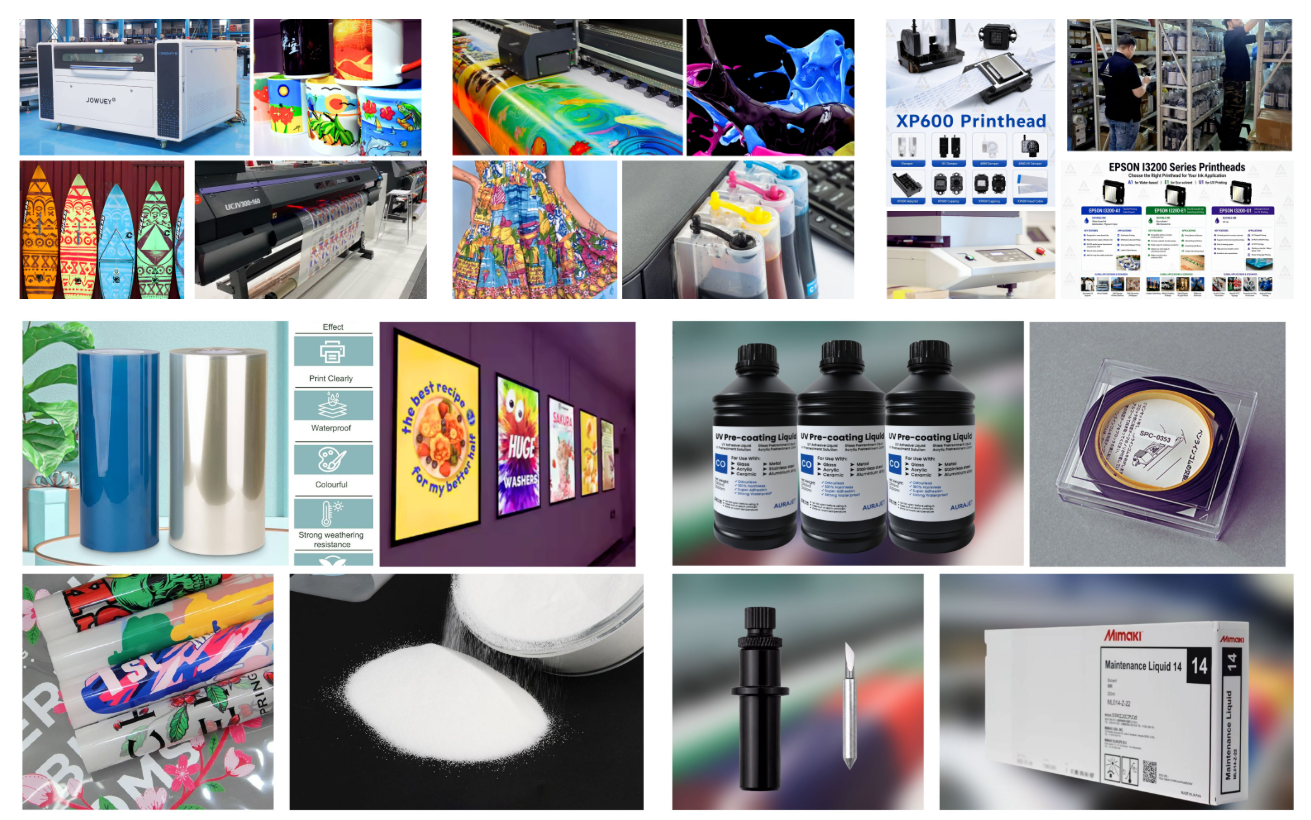
Aura Sign Advertising supports innovation in the print industry. We support professionals who want to push the boundaries of what is possible. Our extensive portfolio includes:
- Mimaki: The leader in UV and textile technology.
- Roland: Precision and versatility for various scales.
- Epson: High-quality color reproduction.
- KingJet & MTuTech: Robust industrial solutions.
- Zhongliqi: Quality consumables for everyday use.
We also provide comprehensive AMC support to keep you running. Our technical servicing team is always ready to assist. This ensures consistent print quality for every project you undertake.
Why Ink Quality Matters More Than the Printer
The machines you buy are very important. However, the ink ultimately defines your final results. Poor quality ink often leads to cracking on flexible materials. Poor ink can also lead to premature fading.
With mimaki uv ink, consistency is always ensured. Performance is predictable across different batches. This level of reliability matters most when you are printing on expensive leather. You cannot afford mistakes on premium hides.
Best Practices for Printing on Leather
To get the best possible result, follow these professional steps. Use proper surface cleaning to remove oils. Test adhesion on a small scrap piece first.
Adjust your curing intensity based on the material’s heat sensitivity. Avoid applying excessively thick ink layers on high-flex areas. These simple steps significantly reduce production waste. They also protect the integrity of the expensive substrate.
Maintenance Tips for Your UV Equipment
UV printers require consistent care to perform at their peak. Ink channels must stay clean and free of cured debris. Daily nozzle checks help you catch issues early.
Regular calibration helps maintain color accuracy over time. Aura Sign Advertising often recommends AMCs for peace of mind. This ensures maximum uptime and prevents costly repairs.
Sourcing Reliable Printing Supplies
Reliable sourcing is the backbone of a successful print shop. Unexpected downtime costs a lot of money and ruins client trust. In the UAE, many professionals rely on Izra UAE for their specialized needs.
Izra UAE provides top-tier printing and engraving solutions. Their industry experience supports your long-term business growth. Having a partner you can trust makes a massive difference in your daily operations.
Why Unusual Substrates Create Business Value
Unusual printing services attract immediate attention from high-end clients. Offering these services increases your profit margins significantly. Leather printing feels premium and exclusive.
Clients are often willing to pay more for specialized craftsmanship. This creates strong differentiation in a crowded market. This builds a brand reputation for being a problem solver.
Future Trends in UV Technology
The future of the industry is focused on mass customization. The market is moving toward shorter, more personalized production runs. UV inks will continue to evolve with better flexibility.
Adhesion to difficult polymers will continue to improve. More unusual substrates will likely appear on the market soon. However, leather will remain a standout choice for luxury brands for years to come.
Conclusion
The most unusual substrate you can print on with mimaki uv ink is undoubtedly leather. It is flexible, organic, and carries a premium status. UV technology makes this difficult task remarkably easy.
Instant LED curing makes the process reliable for high-speed production. For print professionals, this opens doors to entirely new markets. For Aura Sign Advertising clients, it means innovating with total confidence. Whether you are using a uv flatbed ink printer or exploring uv dtf ink, the possibilities are endless. Let your creativity lead the way.