Digi print technology changes fast. New printer ink options arrive every month. However, recycled substrates create unique challenges for professionals. In any digi print workflow, the bond between the ink and the surface determines durability. Poor adhesion leads to peeling or cracking. Therefore, testing adhesion before a full production run is essential.
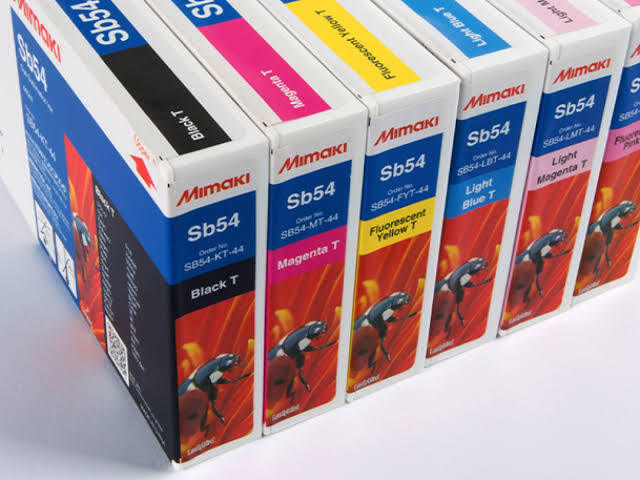
This guide explains how to test ink on recycled materials. We also look at how press machines and print heads affect your results. Aura Sign Advertising supports the UAE printing industry with advanced tech. We provide machines from Mimaki, Roland, and Epson to ensure your success.
Understanding Digi Print Ink Adhesion
Digi print adhesion is the physical bond between ink and a surface. This interaction depends on three main factors:
- The chemistry of the printer ink.
- The makeup of the recycled substrate.
- The specific curing or drying process used.
Recycled materials often contain hidden impurities. These impurities can weaken the chemical bond. Consequently, testing becomes a vital step for quality control. Testing ensures your digi print projects last for years.
Why Recycled Substrates Are Different
Recycled substrates vary in quality. Their surfaces may have old coatings or mixed fibers. This variation affects digi print performance in many ways. Surface energy might be too low for the ink. Absorption rates often change between batches.
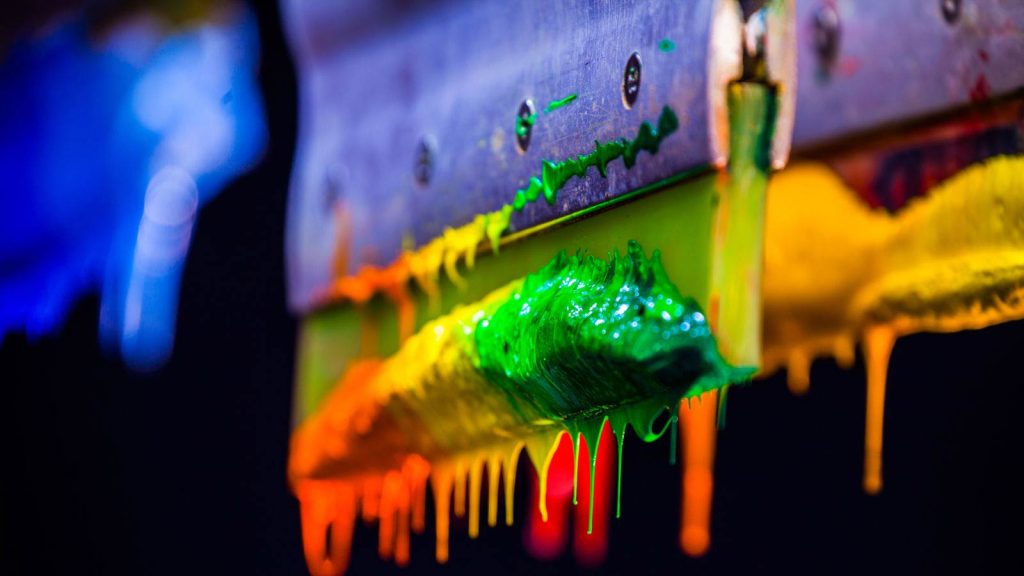
Digi print results can become inconsistent on these materials. Therefore, you must verify every new batch of media. This step prevents wasted ink and ruined materials. It also protects your reputation for high-quality work.
Digi Print Surface Preparation
Surface preparation improves the bonding of printer ink. Many recycled substrates need a deep clean first. Dust and oils often block the ink from sticking. Common methods include:
- Manual surface cleaning with alcohol.
- Corona or flame treatment for plastics.
- Applying a specialized primer coating.
Clean surfaces allow the digi print process to work perfectly. Preparation also protects your print heads from debris. Using a primer can bridge the gap between difficult surfaces and modern inks.
Testing Digi Print with Tape Methods
The tape test is a classic industry standard. It is fast and very reliable for daily checks.
The Standard Tape Test
- Print a small sample using your press machines.
- Allow the ink to cure or dry completely.
- Apply a piece of high-tack adhesive tape.
- Press the tape down firmly with your thumb.
- Pull the tape off in one quick motion.
If the printer ink stays on the substrate, adhesion is good. If the ink moves to the tape, you have a problem. This test is a great “go/no-go” gauge for production.
The Cross Hatch Test
The cross hatch test offers more detail. Use a sharp blade to cut a grid into the ink. Apply the tape over this grid and pull it away. Count how many squares remain on the substrate. This method provides a clear percentage of adhesion strength. It helps you compare different printer ink brands accurately.
Heat Resistance in Digi Print Workflows
Heat resistance is vital for many applications. This is especially true when using a heat press machine. High temperatures can soften the bond of the ink.
Heat Press Machine Testing
- Print your test sample on the recycled material.
- Place the sample inside a heat press machine.
- Apply the standard heat and pressure for your job.
- Remove the sample and let it cool.
- Check for any bubbling, cracking, or color shifts.
A heat transfer machine can also be used for these tests. If the ink peels after heating, the bond is weak. You might need a different ink or a lower temperature. Always match the test to your actual production settings.
How Press Machines Influence Results
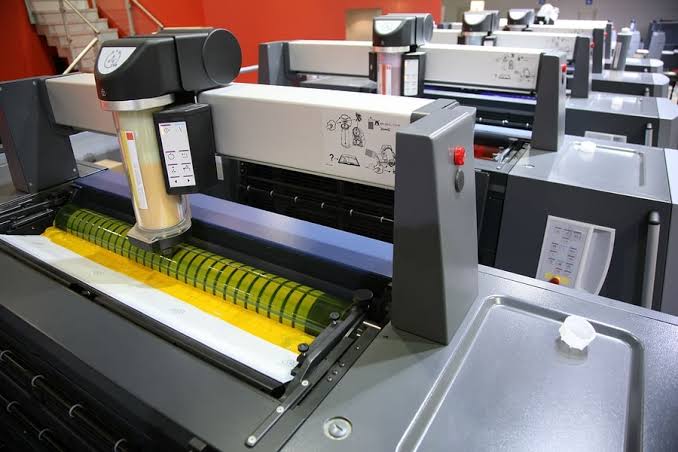
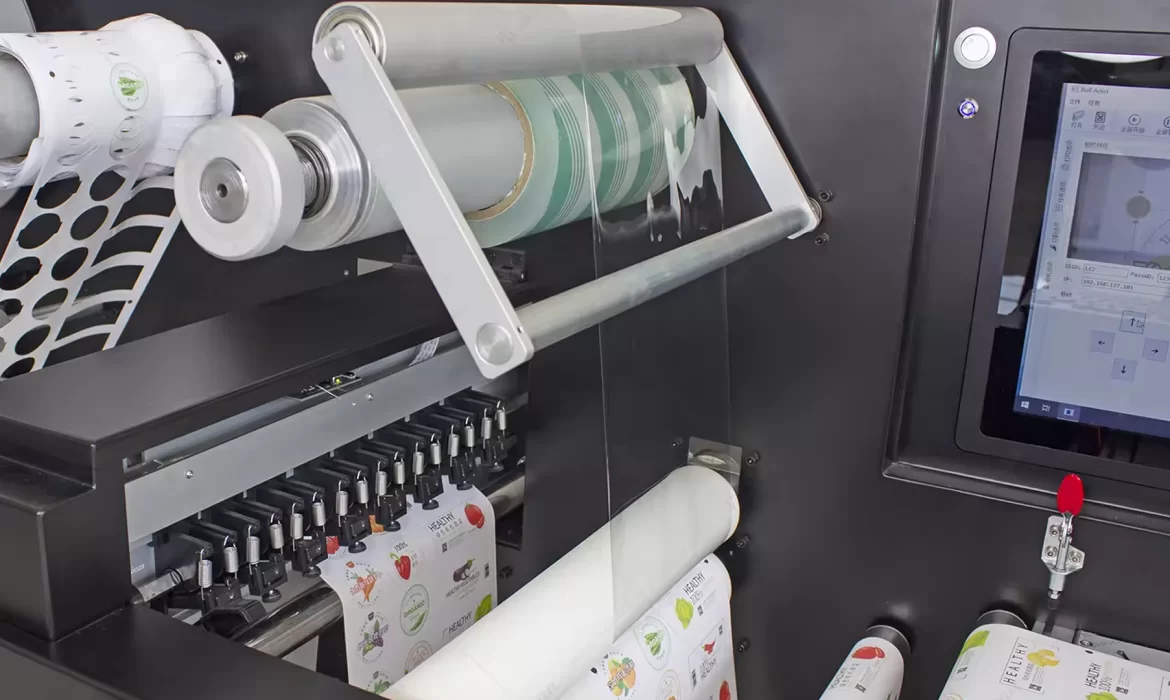
Your press machines play a huge role in adhesion. Different machines use different curing technologies. For example:
- UV printers cure ink instantly using light.
- Eco-solvent printers rely on solvent evaporation.
- Latex printers use heat to fuse the ink.
Each technology reacts differently to recycled fibers. You should always run tests on the actual machine you plan to use. This ensures the printer ink behaves as expected during the real run.
Monitoring Print Heads During Testing
Print heads must be in perfect condition for accurate tests. Clogged nozzles create thin or uneven ink layers. These thin layers may peel more easily than a solid coat.
Maintenance is the key to consistent digi print quality. Aura Sign Advertising provides expert servicing for top brands. We support Mimaki, Roland, Epson, KingJet, and MTuTech. Regular nozzle checks ensure your test results are valid. Clean print heads deliver the right amount of ink every time.
Mechanical Stress and Rub Testing
Real-world products face a lot of friction. Therefore, you must test for mechanical durability. The rub test is the best way to do this.
Simply rub the printed surface with a dry or wet cloth. Apply consistent pressure for twenty or thirty strokes. If the printer ink smears, it may need a protective laminate. This test simulates how a sign or package will handle shipping. Strong digi print adhesion will resist this kind of daily wear and tear.
Quality Control for Digi Print Production
Testing once is never enough for recycled materials. Quality control must be a continuous process. Recycled batches can change from week to week.
- Perform a tape test on every new roll of media.
- Check the temperature of your heat press machine daily.
- Inspect your print heads before every large job.
Consistent testing leads to predictable results. It reduces waste and keeps your customers happy. High standards define a professional digi print service provider.
Equipment Support in the UAE
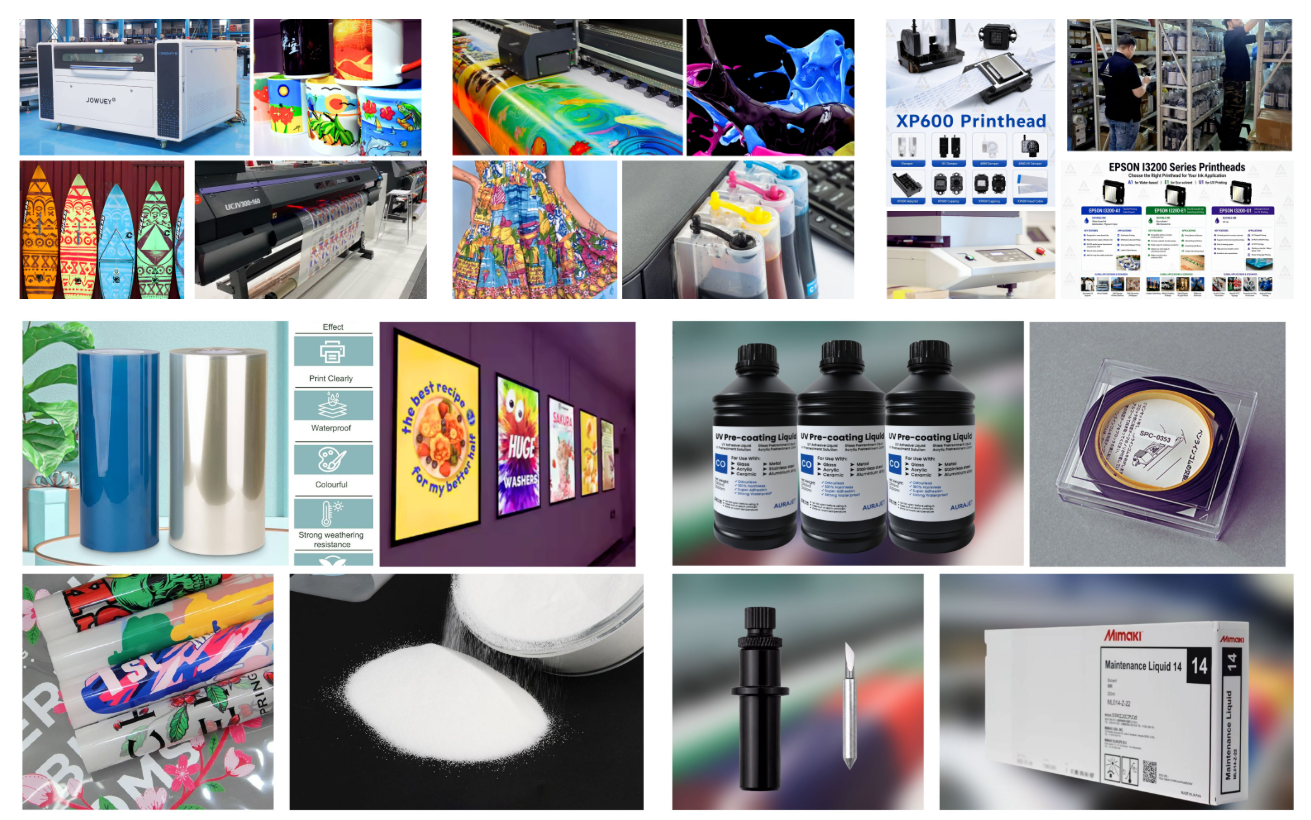
Modern businesses need reliable tools and expert help. Aura Sign Advertising is a leader in the UAE market. We specialize in the trading and servicing of digital tech. Our team supports various press machines and cutting tools.
We offer brands like Zhongliqi alongside global names like Epson. Our annual maintenance contracts (AMCs) keep your shop running smoothly. For more insights on regional trends, platforms like Izra UAE provide excellent resources. Partnering with the right supplier ensures your digi print quality never drops.
Best Practices for Adhesion Success
Follow these tips for the best digi print results:
- Always clean your substrate before you hit print.
- Match your printer ink to the specific material type.
- Calibrate your heat transfer machine for every new job.
- Keep your workspace at a steady temperature.
- Record your test results in a production log.
These steps create a repeatable and reliable workflow. They help you master the challenges of recycled substrates. Good habits lead to great printing.
Technical Solutions for Professionals
Choosing the right printer ink is just the start. You also need the right hardware to apply it. Aura Sign Advertising helps you find the perfect match. Whether you need a new heat press machine or a high-speed printer, we can help.
Our technical team understands the science of adhesion. We can help you troubleshoot peeling or fading issues. With our support, you can tackle any recycled material with confidence. We are dedicated to the success of every client in the UAE.
Conclusion
Testing ink adhesion is a must for recycled substrates. Without it, you risk costly failures and unhappy clients. Use the tape test and the cross hatch test for quick checks. Use a heat press machine to verify thermal stability.
Remember that your press machines and print heads affect the final bond. Regular maintenance is essential for quality. Aura Sign Advertising is here to support your journey. We provide the machines and the expertise you need for a perfect digi print every time.