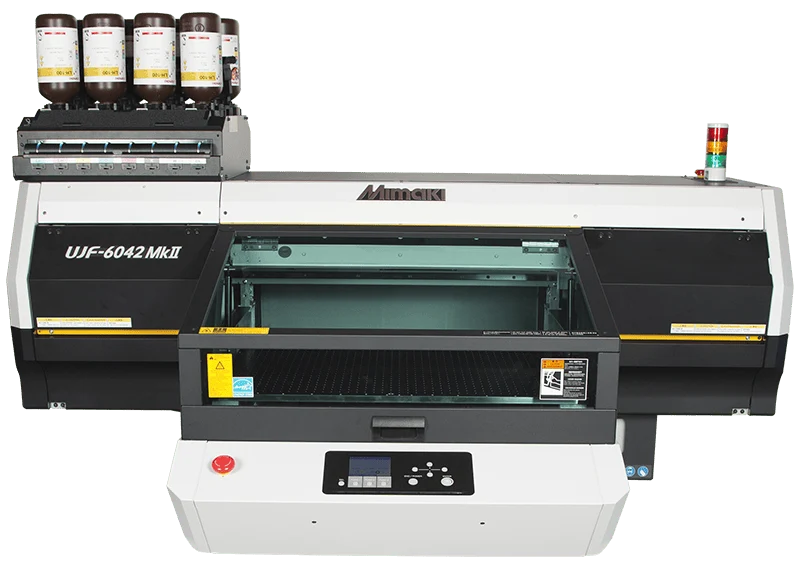
Pressure Physics
Mastering the invisible forces of pneumatic and hydraulic equilibrium in industrial print systems.
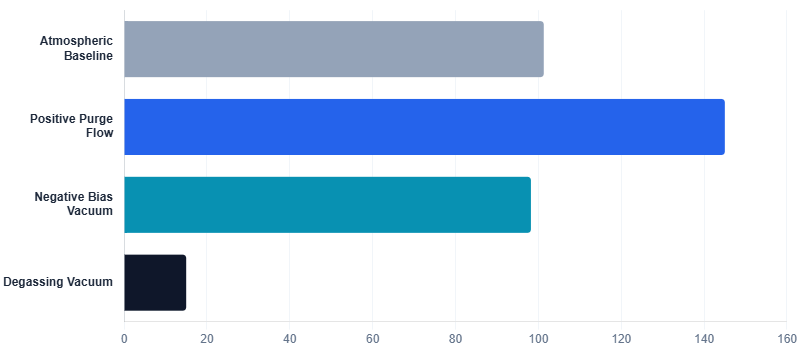
The Pressure Triad
Industrial print engines navigate a complex balance between three domains. Atmospheric pressure acts as our zero-reference, while Positive and Negative regimes handle everything from bulk transfer to active jetting stability.
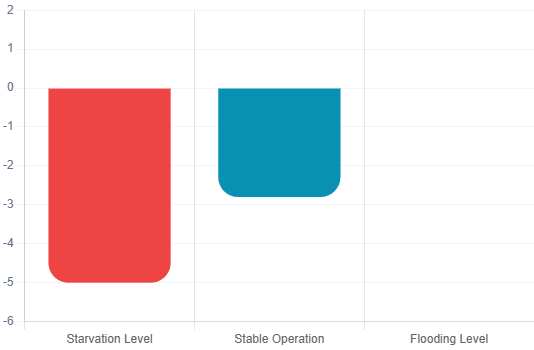
Meniscus Equilibrium
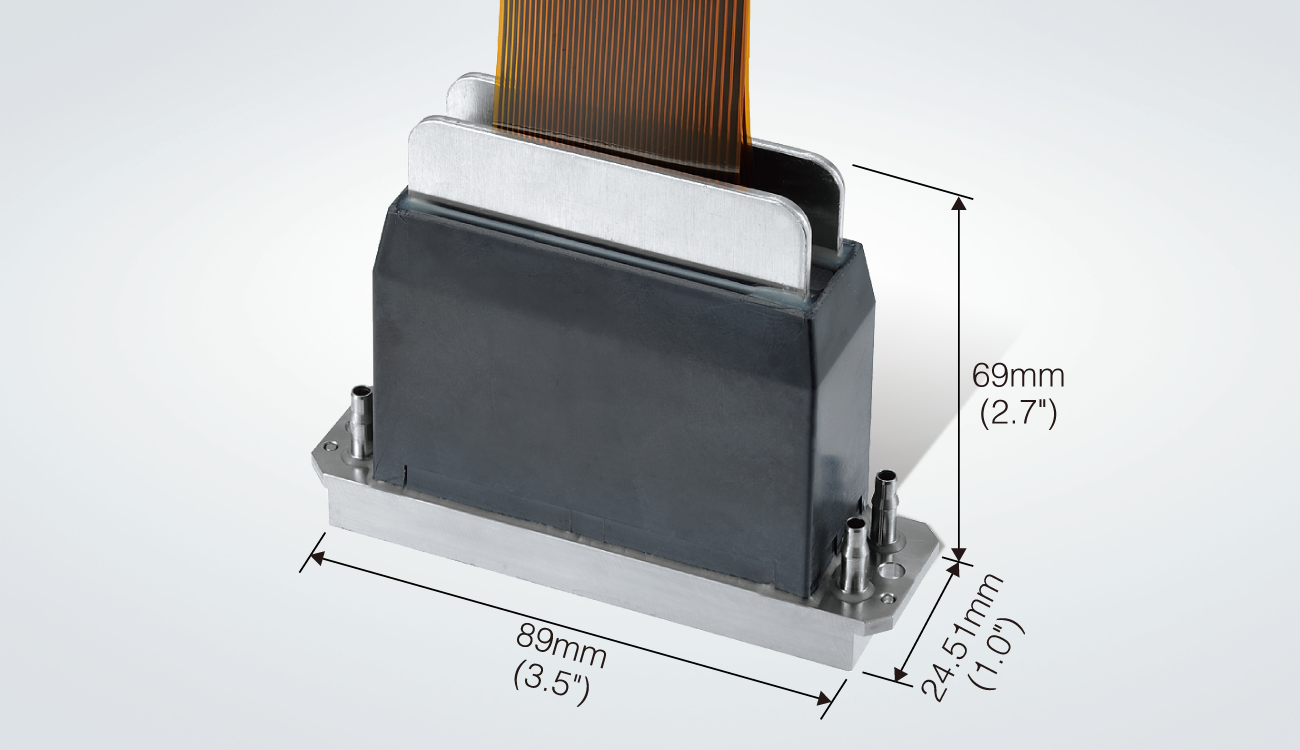
At the nozzle orifice, we maintain a concave meniscus. If the negative pressure is insufficient, ink leaks (Flooding). If too strong, it ingests air (Starvation), causing immediate acoustic failure in piezoelectric actuators.
The Venturi Effect
Using Bernoulli’s Principle, we create vacuum without moving parts. By constricting airflow, we trade static pressure for velocity, creating a low-pressure zone at the throat that provides a perfectly smooth suction source.
Connects to Ink Manifold
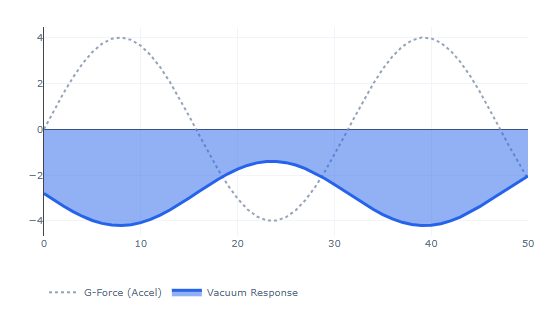
Dynamic G-Force Compensation
In robotic direct-to-shape printing, rapid gantry movement induces inertial pressure spikes. The system must dynamically adjust the vacuum setpoint to keep the meniscus pinned.
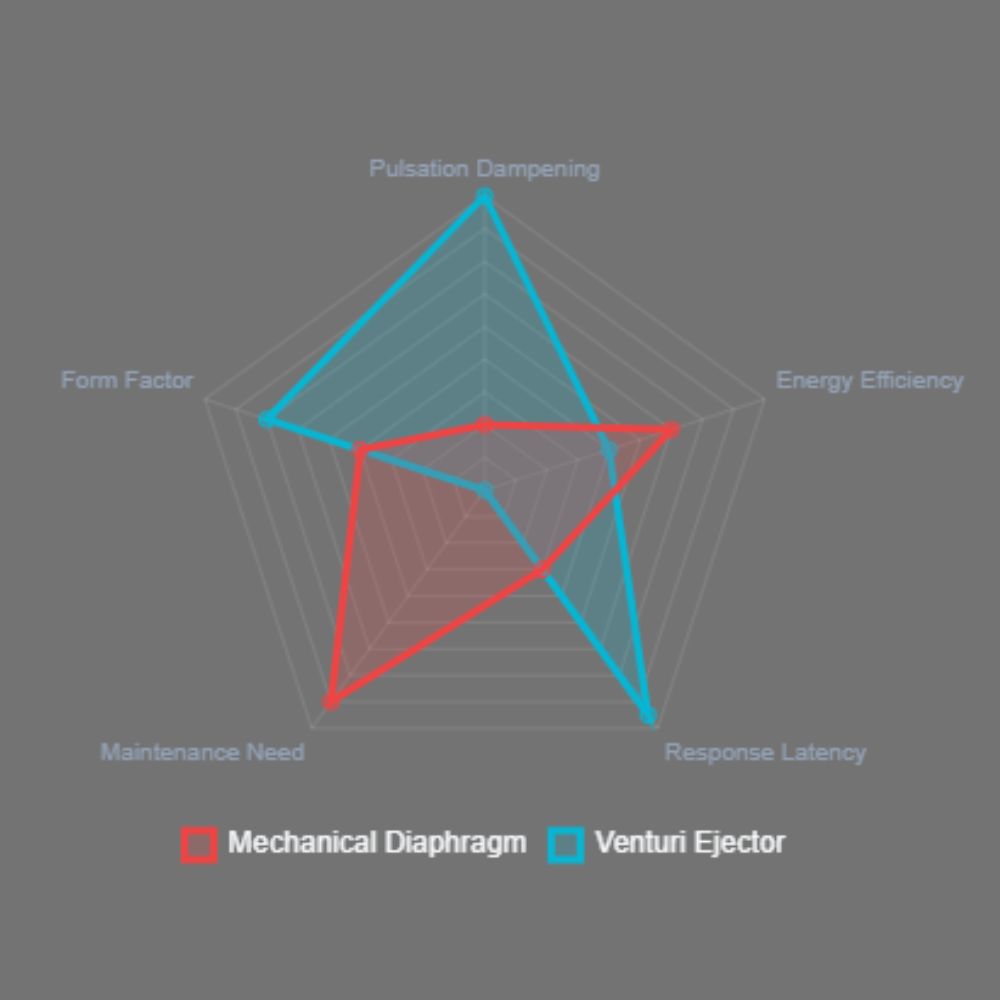
Pump Technology Benchmark
Comparing traditional mechanical diaphragm pumps against solid-state Venturi ejectors.