Digi Print: The Ultimate Ink Guide for Beginners
Digital printing is growing fast in the signage and garment industries. Many beginners enter this field without fully understanding the role of ink. Yet, ink is the heart of every digi print process. It directly affects color quality, durability, and machine performance.
Whether you operate large press machines or small desktop printers, choosing the right printer ink is essential. Ink interacts with print heads, printing surfaces, and finishing equipment. This includes the heat press machine or heat transfer machine.
This guide explains what beginners should know about ink. It helps new operators avoid common mistakes and improve quality.
Why Ink Matters in Digi Print
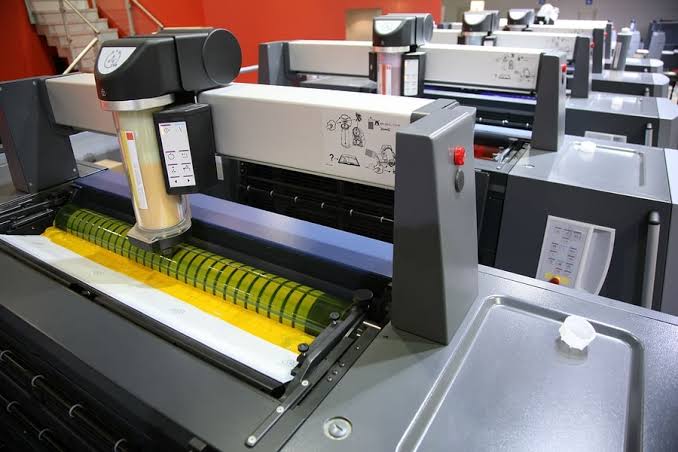
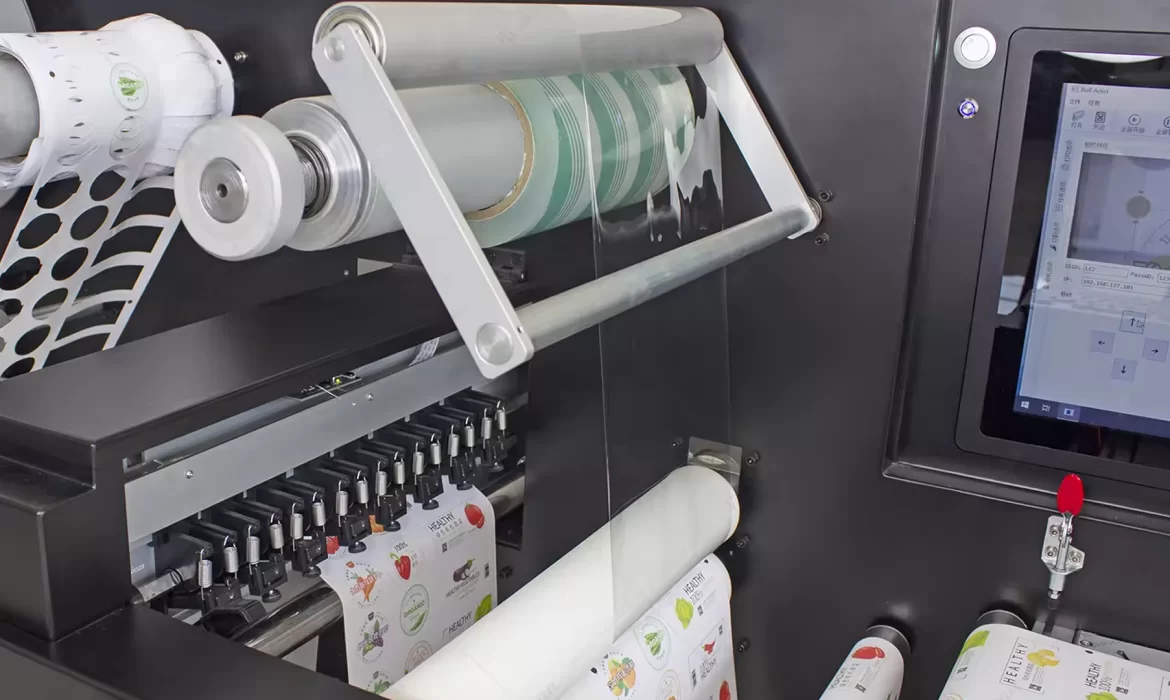
In any digi print workflow, ink determines the final output quality. Many beginners focus only on the machine itself. However, ink quality plays an equally important role.
Good ink ensures:
- Sharp image details
- Accurate colors
- Strong adhesion to materials
- Longer lifespan for print heads
Poor ink creates serious problems. For example, it can clog print heads. It can also reduce color accuracy and damage expensive press machines. Therefore, beginners should always learn about ink compatibility. You must check compatibility before running any machine.
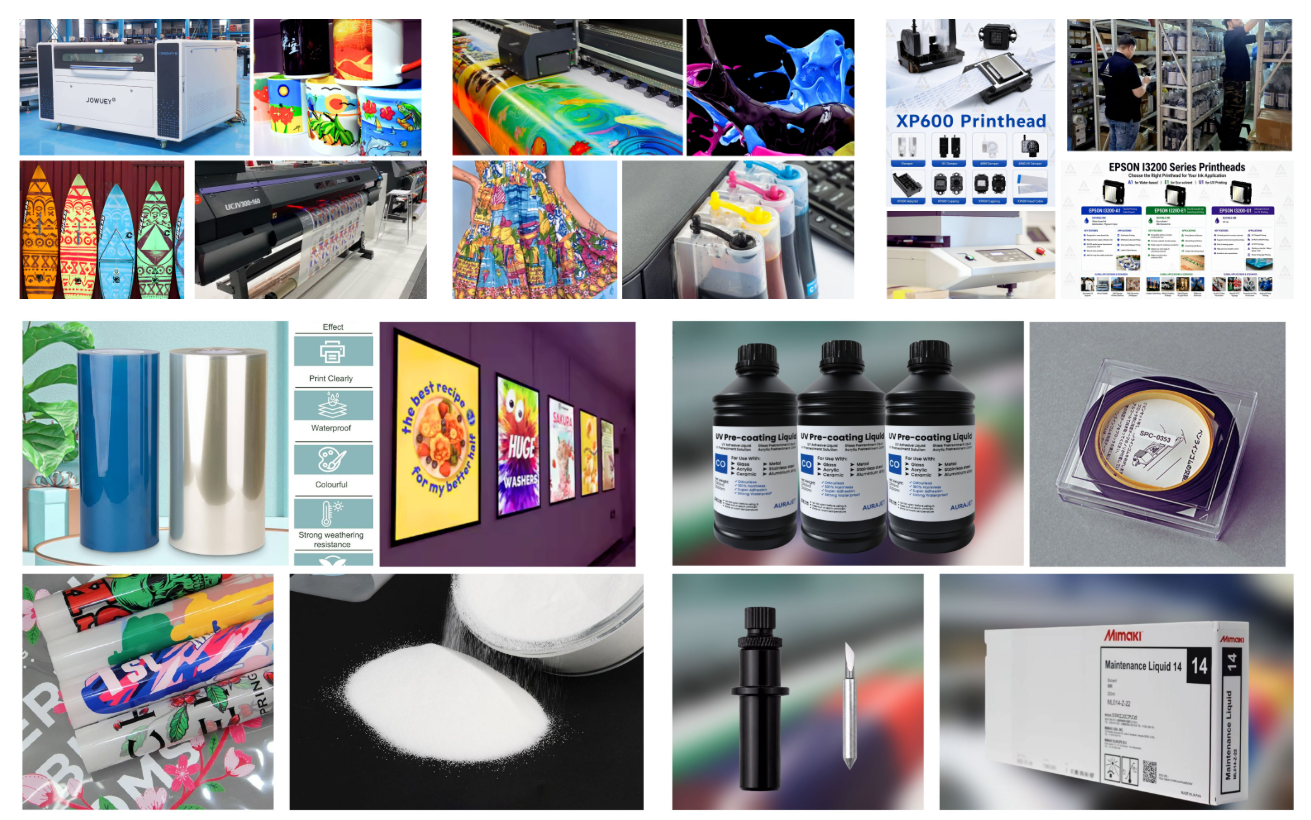
Types of Printer Ink Used in Digi Print
Different printing applications require different types of printer ink. Not every ink works with every machine or material. Beginners must learn these differences to succeed.
1. Eco-Solvent Ink
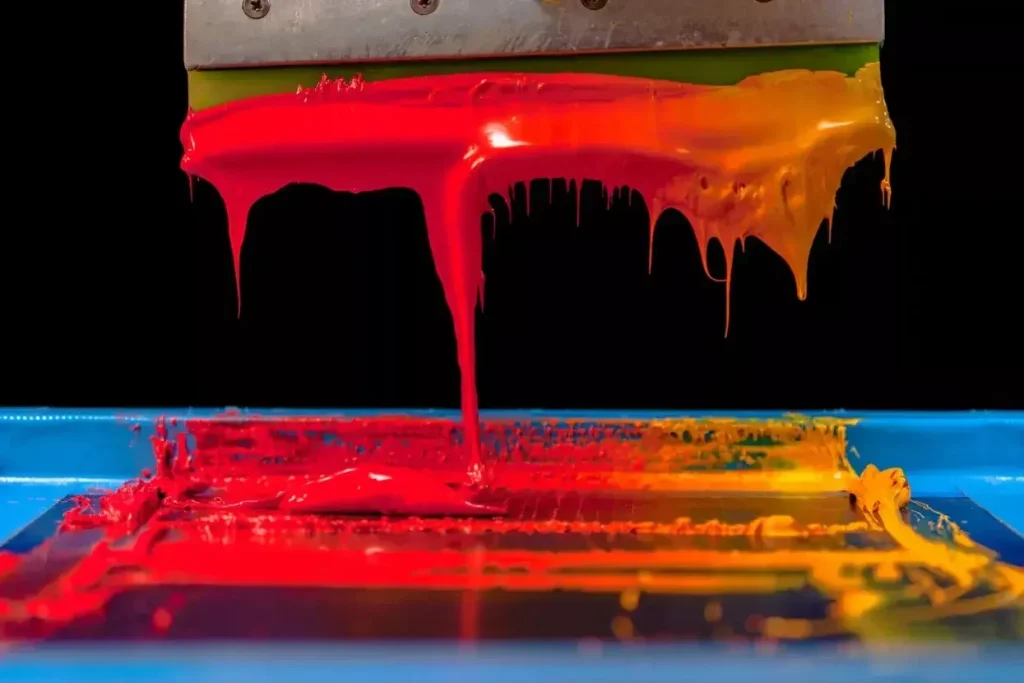
Eco-solvent ink is common in signage and vinyl printing. It produces vibrant colors and durable outdoor prints. Many press machines used in advertising rely on this ink. It works perfectly for banners, stickers, and vehicle wraps.
Key advantages:
- Weather resistant prints
- Good adhesion to vinyl
- Lower odor than traditional solvent ink
2. Sublimation Ink
Sublimation ink is widely used in textile printing. It works with a heat press machine or heat transfer machine. The process is unique because heat converts the ink into gas. This gas bonds with polyester fibers forever.
This type of digi print is popular for:
- Sportswear
- Custom mugs
- Promotional merchandise
3. UV Ink
UV ink cures instantly when exposed to ultraviolet light. And UV printers are commonly used for rigid materials. These materials include acrylic, glass, wood, and metal. The ink dries quickly, so production speed increases.
4. Pigment Ink
Pigment ink is often used in professional photo printing. It offers high color stability and fade resistance. Many advanced print heads are designed specifically for pigment-based printer ink.
The Relationship Between Ink and Print Heads
The print heads are the most delicate components. They release tiny droplets of ink onto the material. Because of this, ink quality directly affects their health.
Low-quality printer ink can cause:
- Nozzle clogging
- Uneven ink flow
- Permanent damage
Print heads are very expensive to replace. In some large press machines, they cost thousands of dollars. Therefore, beginners should use recommended ink. Professional suppliers in the UAE emphasize proper compatibility. For example, Aura Sign Advertising provides machines and ink supplies. They ensure stable printing performance for all clients.
Ink Compatibility With Digi Print Machines
Every digi print machine uses specific ink formulas. Using incorrect ink can create major mechanical problems. Common compatibility issues include chemical reactions or viscosity mismatch.
Major brands like Mimaki, Roland, and Epson design systems carefully. They build these systems around specific ink types. Aura Sign Advertising supports these technologies in the UAE. They provide service solutions for KingJet and MTuTech as well.
If you are looking for reliable equipment, check Izra UAE. They offer various digital printing solutions and materials. Choosing the right supplier is a vital step for any beginner.
Ink and Material Interaction
Ink performance depends heavily on the printing material. Different materials absorb ink differently. For example, vinyl absorbs eco-solvent ink well. Polyester works best with sublimation ink. Acrylic requires UV ink for proper bonding.
If the wrong ink is used, prints may peel. If the wrong ink is used, prints may crack. Therefore, beginners must understand this connection. This knowledge is important when using a heat press machine.
The Role of Heat Press Machines in Digi Print
Many digital printing applications require heat. A heat press machine applies heat and pressure to designs. This process is common in T-shirt and mug printing.
Sublimation digi print systems rely on heat technology. Here is a simple workflow:
- The design prints using sublimation printer ink.
- Transfer paper holds the printed design.
- The heat press machine applies pressure.
- The ink bonds with the material surface.
Without the correct ink, this process will fail. The colors will look dull or wash away.
Heat Transfer Machine vs Heat Press Machine
Many beginners confuse these two machines. However, they perform slightly different roles in production. A heat press machine usually applies direct pressure to flat surfaces. It is often manual or semi-automatic.
A heat transfer machine may include more automation. It is often used in high-volume production environments. Both machines rely on compatible digi print ink. They need high-quality ink to produce permanent results.
Ink Maintenance for Digi Print Beginners
Proper maintenance keeps ink flowing smoothly. Many beginners overlook maintenance tasks. As a result, their machines develop problems quickly.
Key maintenance tips:
- Clean print heads regularly.
- Run nozzle checks every day.
- Keep the environment dust-free.
- Use recommended printer ink only.
Regular maintenance protects expensive press machines. It extends the lifespan of the entire system.
Storage and Handling of Printer Ink
Ink storage affects print quality. Improper storage may cause ink separation. It can also cause chemical degradation over time.
Best practices:
- Store ink in cool environments.
- Avoid direct sunlight at all times.
- Seal all containers tightly.
- Shake ink gently if recommended.
Good storage practices ensure consistent digi print performance. It prevents waste and saves money.
Cost vs Quality in Digi Print Ink
Many beginners try to reduce costs immediately. They do this by buying cheaper ink. However, cheap ink often creates hidden expenses.
Low-quality printer ink may cause:
- Frequent print head replacement.
- Poor print results.
- Production downtime.
Investing in reliable ink is a smarter strategy. Professional print service providers understand this balance. They know that quality saves money in the long run. Suppliers like Aura Sign Advertising provide original inks. They help maintain high production quality for UAE businesses.
How Ink Affects Print Durability
Durability is a major concern for signage. Outdoor graphics must resist sunlight and rain. They must also resist temperature changes.
The right printer ink improves durability significantly. Eco-solvent and UV inks perform well outdoors. Sublimation prints also last a long time. They last because the ink bonds with the fabric. For many companies, durability defines their success.
Common Ink Mistakes Beginners Should Avoid
Many beginners repeat the same mistakes. Understanding them early helps avoid costly repairs.
- Using incompatible ink: Always confirm compatibility with your press machines.
- Ignoring maintenance: Regular cleaning protects the print heads.
- Storing ink incorrectly: Heat and sunlight damage the chemistry.
- Choosing price over reliability: Cheap printer ink damages machines.
Avoiding these mistakes improves your productivity. It also ensures your customers are happy.
The Future of Digi Print Ink Technology
Digital printing technology continues to evolve daily. New ink formulations are improving performance. Modern digi print innovations include eco-friendly inks.
Manufacturers are developing water-based inks now. These inks reduce environmental impact significantly. At the same time, press machines are faster. They are becoming more precise and efficient. This progress allows providers to reach new markets.
Choosing the Right Partner in the UAE
Success in printing requires the right support. Aura Sign Advertising is a dynamic company in the UAE. They specialize in trading and servicing advanced technologies.
They offer world-renowned brands like Mimaki and Roland. And they also support Epson and KingJet users. Their dedicated after-sales services are excellent. They offer annual maintenance contracts (AMCs) for clients. These contracts ensure uninterrupted performance for your business.
Advanced Printing Techniques for Beginners
Once you master basic ink types, explore more. Some beginners move into DTF (Direct to Film) printing. This method uses specialized printer ink and powder. It requires a heat press machine for final curing.
Learning these techniques expands your service list. It allows you to print on more materials. Always remember to use the correct ink for each method. Mixing different inks can destroy your print heads instantly.
Understanding Ink Viscosity
Viscosity refers to the thickness of the ink. Print heads are tuned for specific viscosity levels. If the ink is too thick, it won’t flow. If the ink is too thin, it will leak.
Professional printer ink undergoes rigorous testing. This testing ensures the viscosity is perfect. Always buy ink from trusted sources like Aura Sign Advertising. They provide tested products for all press machines.
Final Thoughts on Digi Print Ink
Ink is not just a liquid color. It is a complex chemical solution. For a beginner, it is the most important factor. It dictates the health of your equipment.
The right ink choice leads to better business. It leads to vibrant colors and happy clients. Never compromise on the quality of your printer ink. Your press machines deserve the best supplies.
Conclusion
Ink is the foundation of every successful digi print operation. Beginners often focus on machines first. However, understanding ink is equally important. The right printer ink protects print heads and ensures quality. It works with press machines, a heat press machine, or a heat transfer machine. Choosing compatible ink and maintaining printers are key habits. With the right tools, beginners can build profitable businesses.