Skip to content
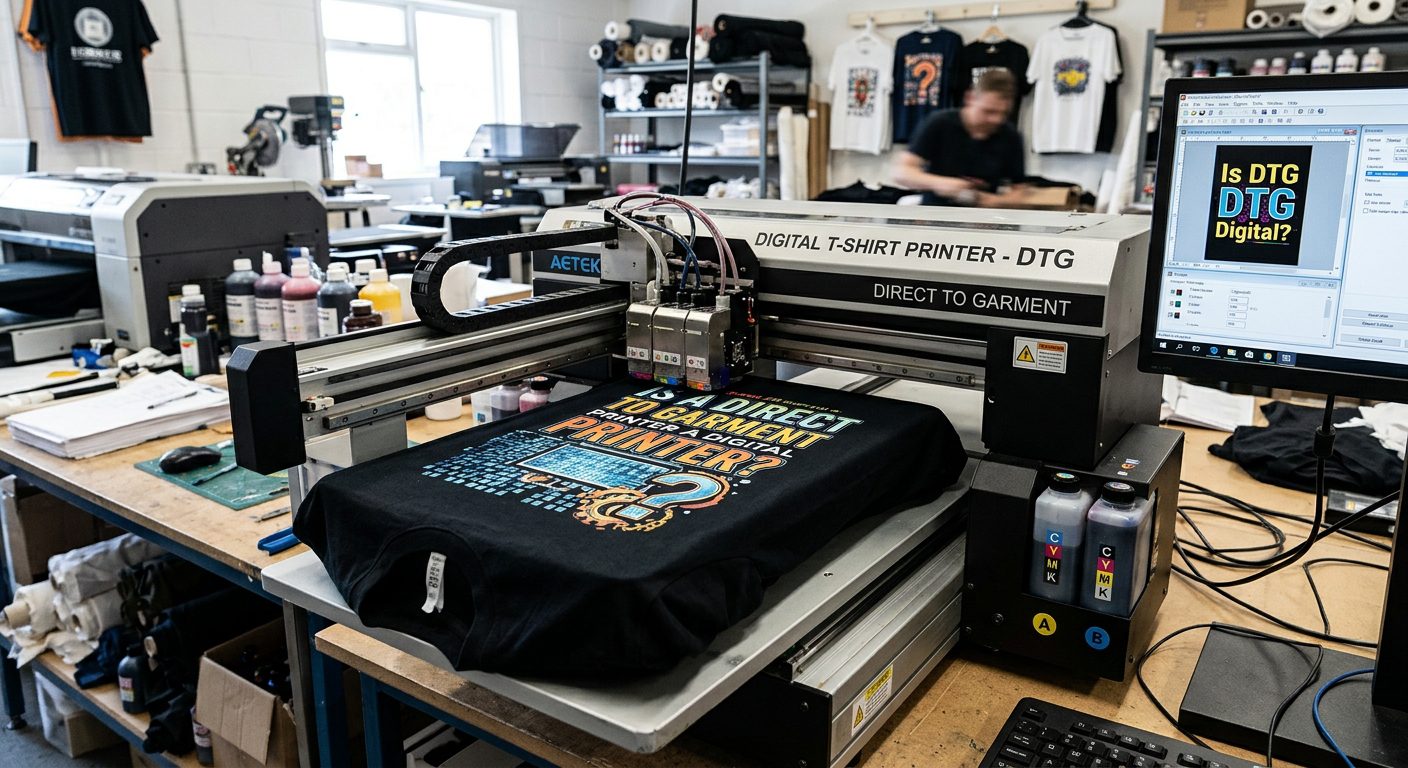
Yes, a direct to garment printer is a digital printer. It receives digital artwork directly from a computer. Printheads then apply ink straight onto fabric. Traditional screen printing requires physical screens and long setup times. However, digital textile printing processes design files directly.
Businesses across the UAE use this technology to create customized apparel. Modern print shops rely on fast workflows to handle customer demands. Understanding how digital printing equipment operates helps you make smart machinery investments.
What Is a Direct to Garment Printer?
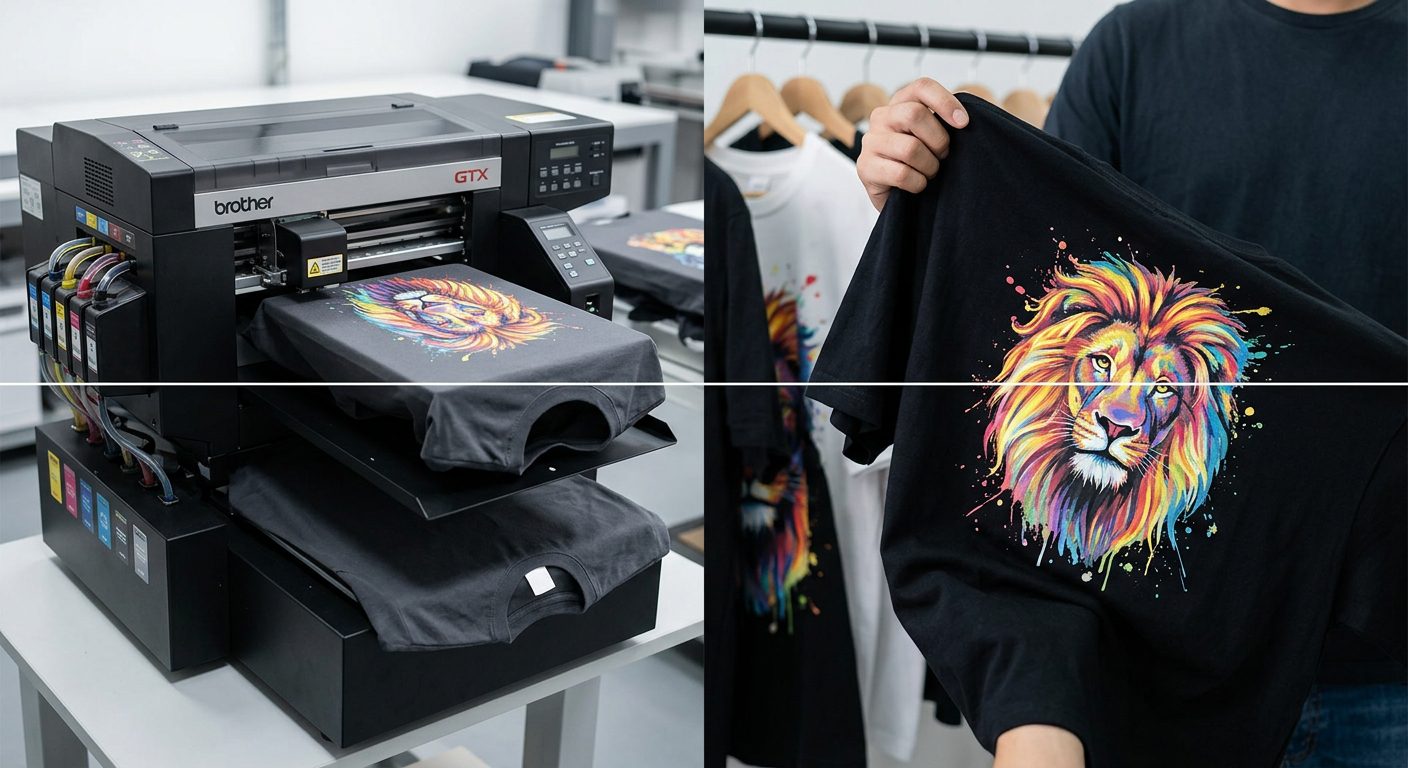
A direct to garment printer is a specialized digital textile machine. It prints detailed artwork onto garments like shirts, hoodies, and tote bags.
The printing process starts inside your design software. You prepare the digital file on a computer. Next, you send the file to the printing software.
The operator places the fabric onto a flat platen. The platen moves under the printheads during production. Printheads deposit tiny ink droplets onto the fabric surface. Finally, heat cures the wet ink to make the design durable.
Aura Sign Advertising supplies high-quality printing machinery to businesses across the region. We help print shops select the right technology for their production goals.
Why Is DTG Technology Part of Digital Printing?
Digital printing relies on electronic data to place ink. A direct to garment printer fits this definition completely.
The machine reads digital pixels instead of using physical plates. Electronic pulses control every single printhead nozzle. Therefore, you can alter artwork files between every single print.
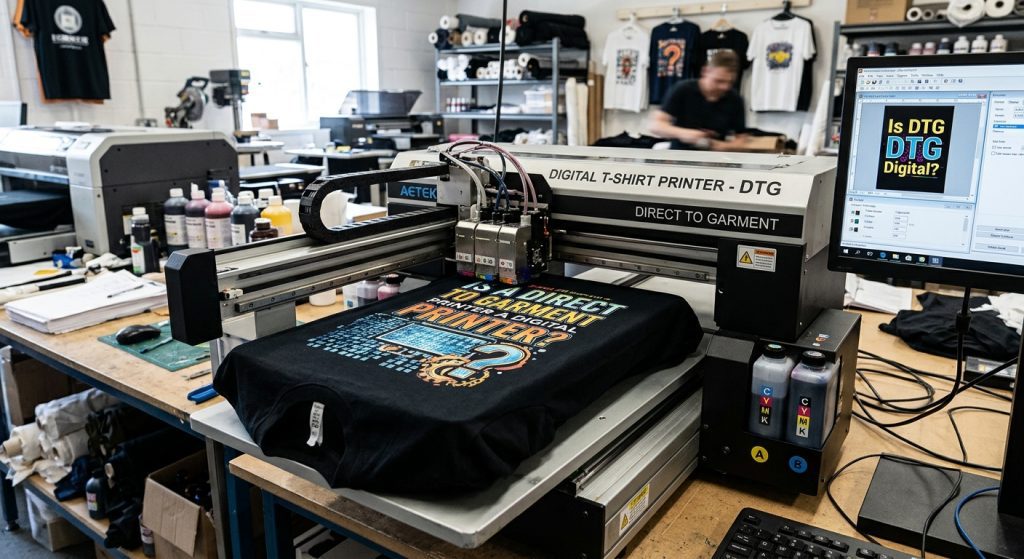
Traditional printing methods require manual setup for each new graphic. Physical screens must be washed, exposed, and aligned. Digital machines eliminate these costly steps entirely.
Digital workflows save time and reduce labor costs. Consequently, digital textile equipment is ideal for modern print businesses.
How Does a Direct to Garment Printer Work?
Every direct to garment printer follows five main steps to finish a job.
1. Preparing the Artwork
You create or edit the design inside graphics software. High-resolution images produce crisp lines and bright colors.
2. Treating the Fabric
Dark cotton fabrics need a liquid pretreatment solution. Pretreatment helps white ink bond to the fabric surface.
3. Loading the Garment
You smooth the fabric over a flat platen. Smooth placement prevents creases during ink application.
4. Direct Digital Printing
Printheads pass over the fabric to deposit ink. The machine controls color layers with extreme precision.
5. Heat Curing
You dry the wet ink using a heat press or tunnel dryer. Heat curing protects prints against washing damage.
Comparing a Direct to Garment Printer to Other Digital Machines
Modern print service providers use several digital technologies. Each machine serves a unique purpose in the shop.
| Printer Type | Primary Application | Key Materials |
| Direct to garment printer | Custom apparel decoration | Cotton shirts, hoodies, fabric |
| Sticker printing machine | Labels, decals, packaging | Adhesive vinyl, paper, films |
| UV printing machine | Hard surfaces, industrial marking | Acrylic, wood, glass, metal |
Direct to Garment Printer vs. Sticker Printing Machine
A direct to garment printer decorates soft textiles directly. A sticker printing machine prints onto adhesive rolls.
Sticker printing machines cut printed vinyl into custom shapes. However, textile printers absorb ink into fabric fibers.
Both machines rely on digital artwork files. Yet, their ink chemistries and media feeds are completely different.
Direct to Garment Printer vs. UV Printing Machine
A uv printing machine uses ultraviolet light to cure ink instantly. It prints on rigid items like glass, wood, and acrylic.
A direct to garment printer uses water-based inks made for wearable fabrics. UV inks dry hard, while textile inks remain soft on clothing.
Print shops often pair these two machines to offer wider product lines. You can get professional advertising and sign solutions from Izra UAE to expand your business reach.
Can You Use a Printer for Shirts in Small Workflows?
A printer for shirts is perfect for small orders and custom samples.
Traditional screen printing requires large minimum orders to cover setup costs. Digital machines allow you to print single items profitably.
Customers often want individual names or unique graphics on every garment. Digital shirt machines handle these variable designs with ease. You simply send a new file to the print queue for each item.
Short-run flexibility opens new business opportunities for apparel decorators.
Printing Dark Items with a Printer for T Shirts
A printer for t shirts prints bright designs on dark fabrics easily.
White ink acts as an opaque base layer on black garments. Colored inks print directly on top of this white layer. Without white ink, dark fabrics would absorb and hide colored designs.
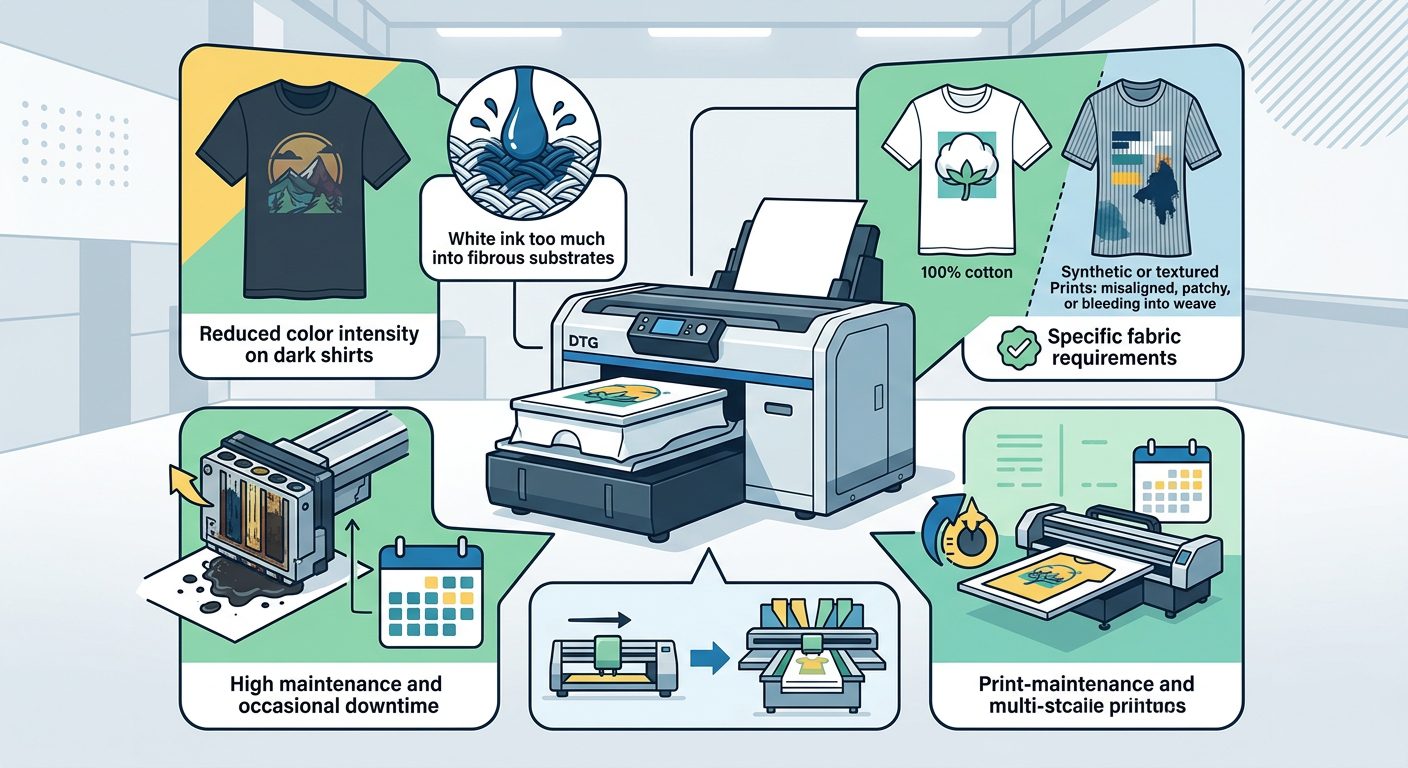
Proper maintenance keeps white ink flowing smoothly through printhead nozzles. Daily agitation prevents white pigments from settling inside the lines.
Correct pretreatment application guarantees vibrant colors and long-lasting wash durability.
Advantages of Using a Direct to Garment Printer
Apparel manufacturers choose digital technology for clear operational reasons.
- No Screen Setups: You eliminate manual screen exposure and washouts.
- Unlimited Colors: You print photographic gradients and complex color blends easily.
- Fast Turnarounds: You process single-piece orders in just a few minutes.
- Low Inventory: You print garments on demand to reduce unsold stock.
- Variable Data: You customize names, numbers, and graphics instantly between prints.
Essential Maintenance for Your Direct to Garment Printer
Regular maintenance protects your investment and ensures daily print consistency.
Clean printhead nozzles according to your equipment guidelines. Prevent printheads from sitting idle for long periods.
Check your ink lines regularly to avoid blockages. White ink requires extra care due to heavy titanium dioxide particles.
Keep your workspace free of excess lint and dust. Garment fibers can collect on printhead surfaces during operation.
Aura Sign Advertising offers annual maintenance contracts (AMCs) to keep your machines running smoothly. Our technical team services Mimaki, Roland, Epson, KingJet, MTuTech, and Zhongliqi equipment across the UAE.
Choosing the Right Digital Setup with Aura Sign Advertising
Aura Sign Advertising is a dynamic and progressive company specializing in trading, servicing, and support of advanced digital printing and cutting technologies. With a strong foothold in the UAE market, we bring comprehensive solutions to meet the needs of print service providers, signage companies, and industrial marking sectors.
Our portfolio includes world-renowned machines and supplies of the brands like Mimaki, Roland, Epson, KingJet, MTuTech and Zhongliqi, backed by dedicated after-sales services and annual maintenance contracts (AMCs) that ensure uninterrupted performance for our clients.
Selecting the right direct to garment printer depends on your expected output volume and fabric types. Our team guides you through equipment selection, installation, and daily operational training.
Conclusion
A direct to garment printer is definitely a digital printer. It converts digital files into printed fabric products without physical screens or plates.
Digital apparel printers excel at low-volume orders, complex artwork, and quick job changes. When paired with a sticker printing machine or a uv printing machine, your business can serve diverse market demands.
Aura Sign Advertising provides full support, top equipment brands, and reliable servicing for businesses in the UAE. Contact our expert team today to upgrade your print production capabilities!