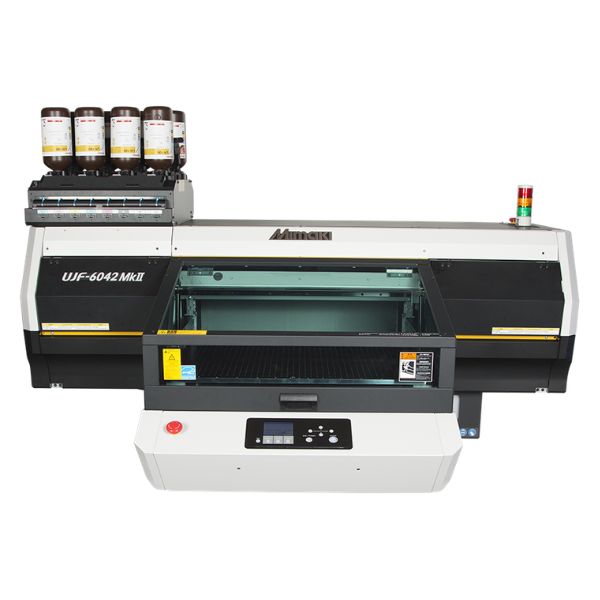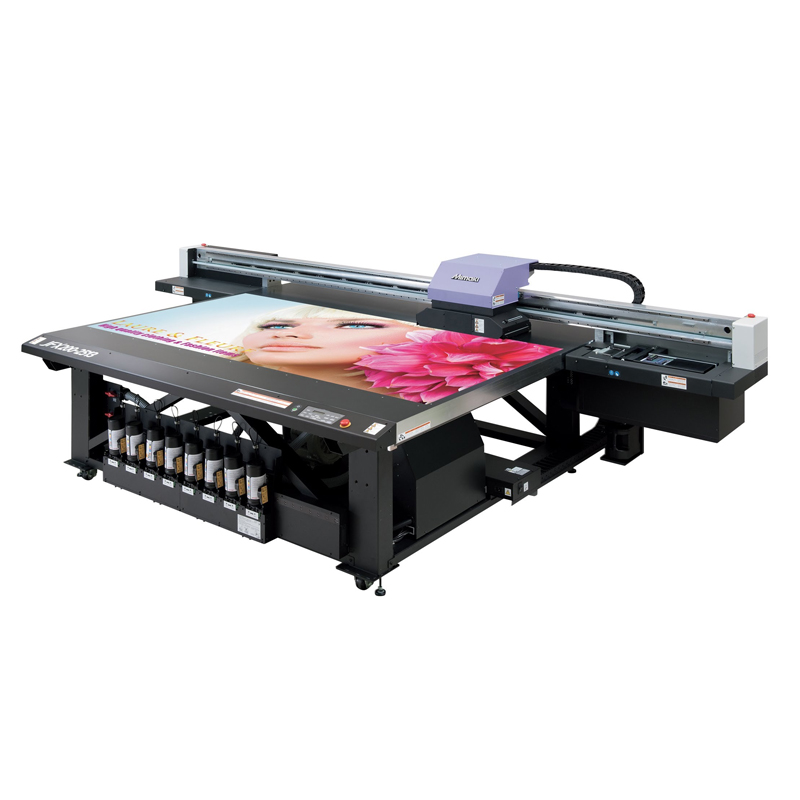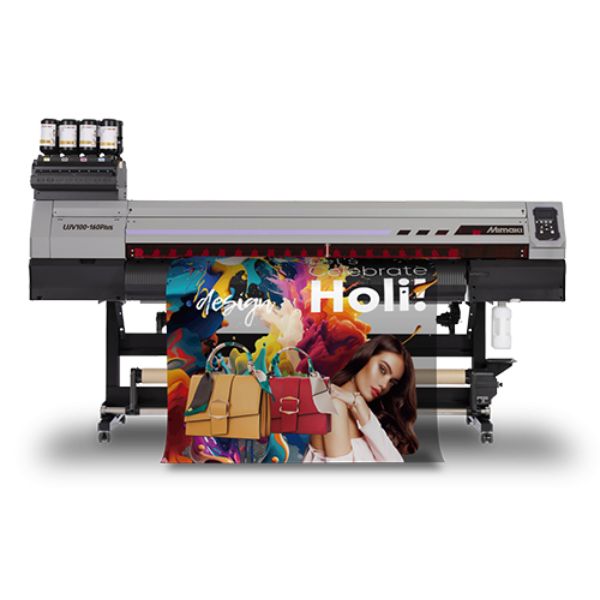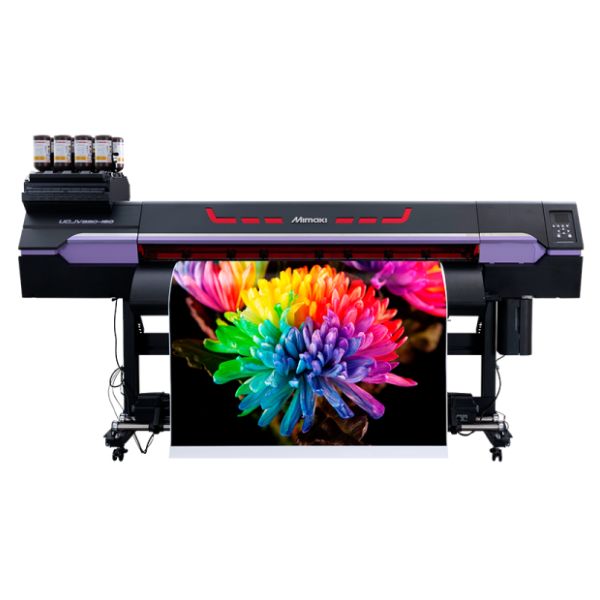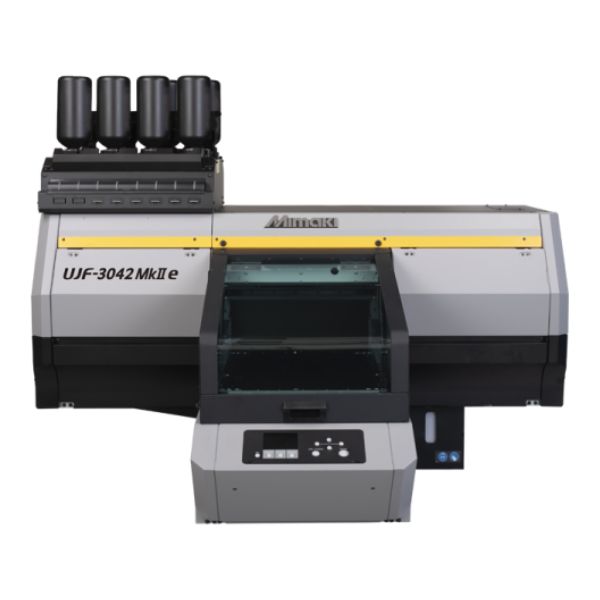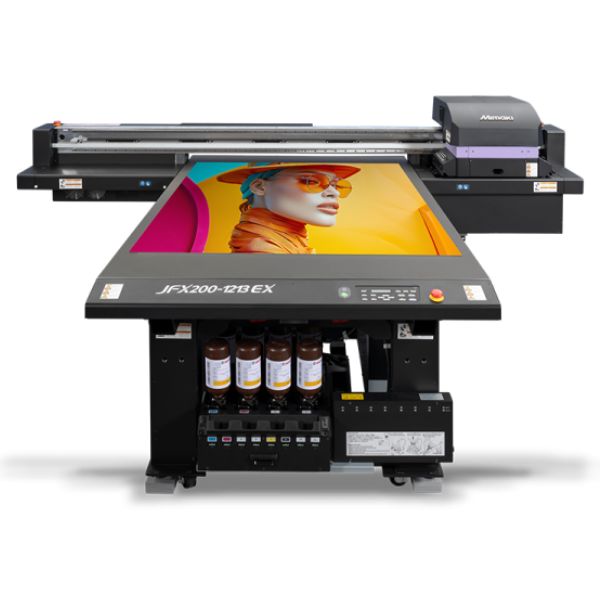
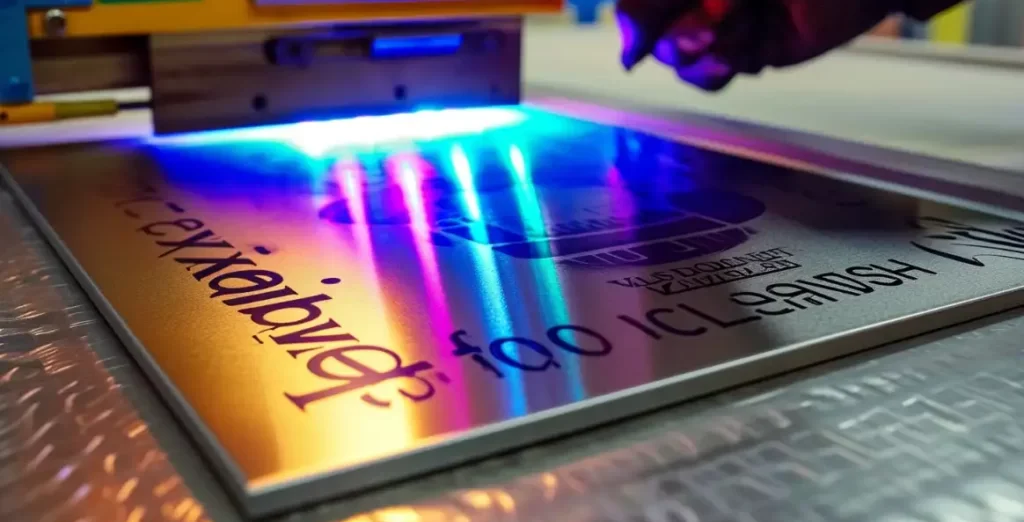
In recent years, the business area for original and customized items using UV inkjet printing is expanding for low-volume, high-mix on-demand production. The UV inkjet printer does not require a print-plate, thus the time of delivery and cost is reduced. The new feature of UV inkjet printing enables to only print “what you need” and “when you need,” which provides an economic advantage in terms of stocking up to the final product. The optimal solution alternative to screen printing for low-volume, high-mix production is the UV inkjet printing and we predict that this trend will expand rapidly.
It is a method that uses a screen (a stencil) plate for printing.
The stencil is used toapply layers of ink on the printing surface. For different color a different stencil is used, one at a time, combined to achieve the final look.
With this method it is possible to print on thick materials, glass, metal, cloth or other materials and dimensions, but it is not possible to use it for subtle or gradation colors.
As it is required to use different stencils for different colors, the screen print method it is not meant for low-volume, high-mix and quick delivery production.
The UV digital printing is suitable for medium to high accuracy printing precision and for medium to small lot production.

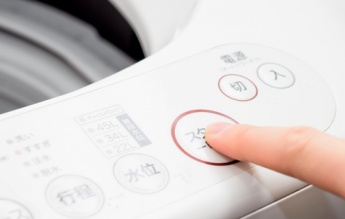
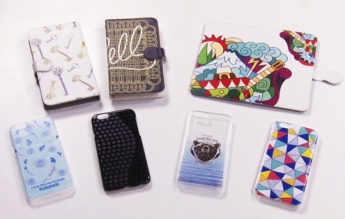
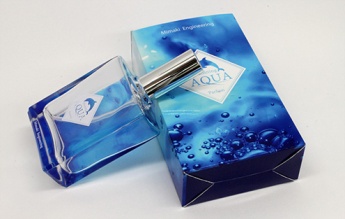
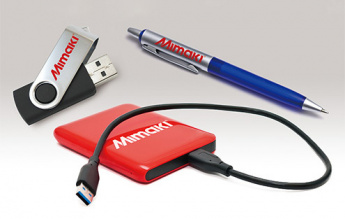
UV inkjet printer allows to do the job in several hours which used to take several days to complete with analog print process.


Ideal applications include gift & novelty, name plates, indoor sings, membrane switches, car wrap, flexible and curved materials with a choice of various inks.
Representative ink introduction.
The LH-100 ink features high scratch-resistant, is chemically resistant, and has excellent color reproducibility. Ideal applications are smartphone cases, key fobs made of resins or plastics.
The flexible LUS-120 ink stretches up to 170% and delivers beautiful and durable print results on soft materials including leather or polyurethane.
The LUS-150 ink stretches up to 150% and delivers vibrant color representation. In addition to its use on soft materials, this ink adheres very well to rigid materials such as glass or acrylic. Examples of ideal applications are indoor signs or trophies.
It is an excellent weather resistant ink, and very flexible being able to expand about 200% after curing. It does not break if stretched or bended and the finishes are beautiful.
It can stretch up to 350% after curing if heat it up from 120-200°C. After a flat surface printing, it can be modified without braking and it is ideal for car parts, molded sign boards or mock-ups.
The PR-200 primer enhances the ink adhesion. The primer can be applied to the required areas by ink-jetting. This feature retains the texture of the material, which is not possible with manual primer application. The PR-200 can be used on resin, glass and metal materials without affecting their texture.
Patent number / JPN: 5817059 USA: US9,132,685 B2