The world of digi print continues to evolve with advanced press machines. Modern print heads and improved printer ink formulations have changed the industry. As a result, print quality today is more refined than ever before. However, one factor often affects the final appearance. That factor is gloss.
Gloss refers to how shiny a surface appears. In digi print, the interaction between printer ink and paper determines the shine. This interaction is very important for professional printing environments. These environments rely on high-performance press machines and precision print heads.
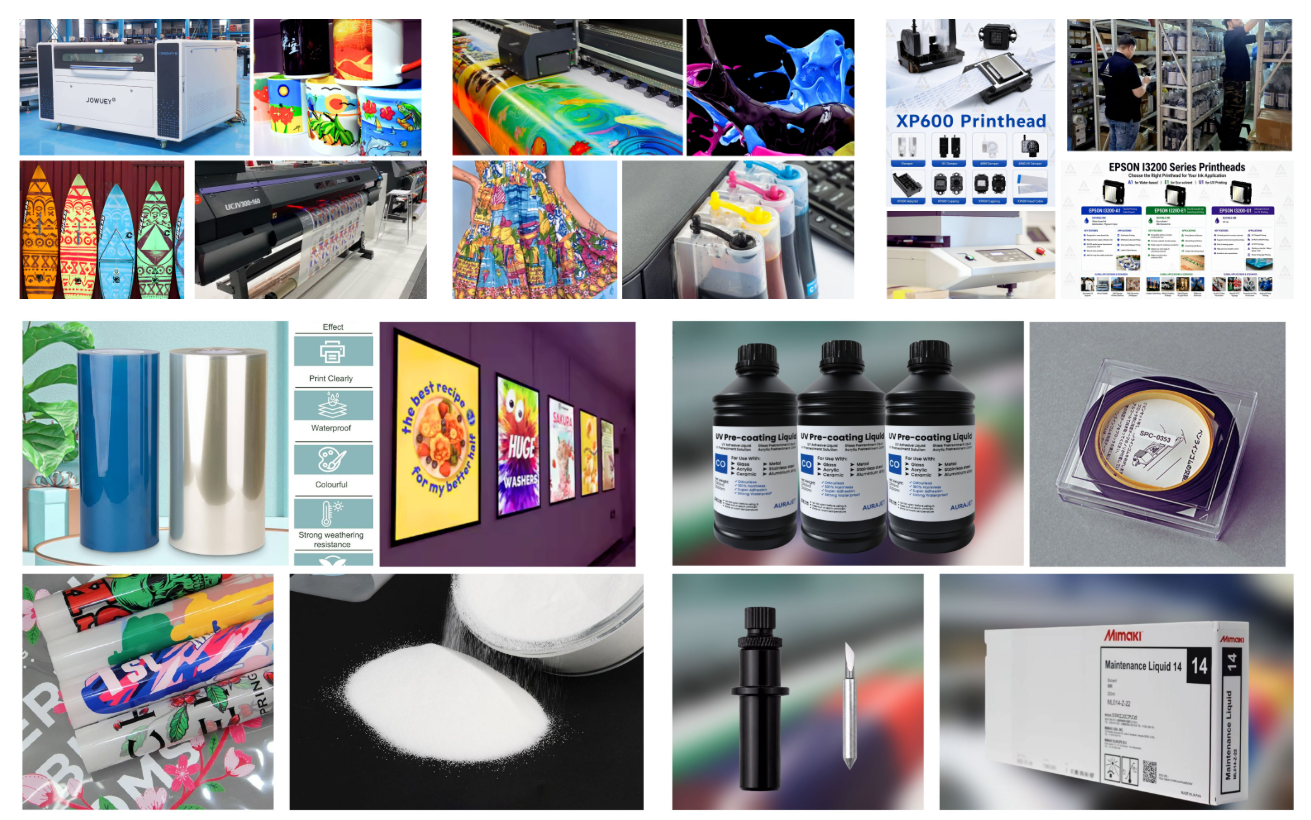
Understanding gloss levels helps businesses produce consistent results. This knowledge is valuable for signage companies and packaging designers. Companies like Aura Sign Advertising in the UAE support this industry. They provide advanced technologies and reliable equipment. Their solutions include machines from brands like Mimaki, Roland, and Epson. Such machines ensure that modern digi print operations maintain excellent quality.
Understanding Gloss Levels in Digi Print
Gloss is measured by light reflection. A smooth surface reflects more light and looks shiny. A rough surface scatters light and looks matte. In digi print, both the printer ink and the paper contribute to the look.
Paper Gloss Characteristics
Paper comes in several finishes:
- High gloss paper – very reflective.
- Semi-gloss or satin paper – moderate shine.
- Matte paper – minimal reflection.
Glossy paper is often used for brochures. It is also used for photos because it enhances colors.
Printer Ink Gloss Varieties
Ink gloss depends on chemistry and drying. Modern inks used in digi print include:
- Dye-based inks.
- Pigment inks.
- UV-curable inks.
- Eco-solvent inks.
Each ink type produces a different finish.
How Digi Print Ink Interacts With Paper
The relationship between ink and paper is complex. Several factors influence the final result in digi print workflows.
1. Surface Absorption
Some papers absorb ink deeply. Other papers hold the ink on the surface. If the ink sinks into the fibers, the gloss decreases. If the ink stays on the surface, the gloss increases. Therefore, glossy coated papers usually produce the brightest finish.
2. Ink Film Thickness
The thickness of the ink layer affects shine. Thicker ink layers create smoother surfaces. However, excessive ink can reduce clarity. Modern print heads control droplet size to maintain this balance.
3. Coating Technology
Many papers have special coatings. These coatings work with specific printer ink types. They help control ink spread and drying time. Because of this, coated media delivers consistent results.
Role of Printer Ink in Digi Print Gloss
Not all inks behave the same way. The gloss level depends largely on the formulation used in digi print.
Pigment Ink
Pigment inks produce durable prints. They offer good color stability. However, they often create a matte finish. This effect occurs because pigments sit above the surface.
Dye Ink
Dye inks dissolve fully in liquid. This allows them to penetrate paper easily. As a result, they produce smoother reflections. They often yield higher gloss levels.
UV Ink
UV inks cure instantly under light. These inks form a solid layer on the surface. Because of this, UV inks produce very high gloss. This is common in signage and rigid boards.
Digi Print Equipment and Gloss Control
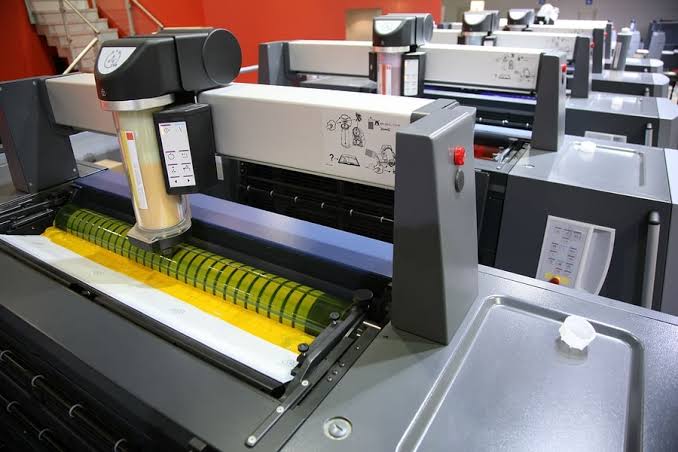
Gloss levels depend on technology. Modern press machines provide great precision. They also improve curing.
Print Heads and Droplet Control
Advanced print heads determine how droplets land. They control size and volume. Smaller droplets often produce smoother surfaces. Consequently, the printed gloss becomes more uniform.
Press Machines
High-quality press machines maintain consistent speed. This stability prevents uneven ink distribution. Professional companies rely on these machines for large runs. Aura Sign Advertising supplies these advanced technologies in the UAE. Their expertise ensures businesses receive reliable equipment.
Digi Print and Heat Transfer Processes
Gloss differences also appear in transfer printing. In this process, a design is transferred using heat.
Heat Press Machine
A heat press machine applies pressure. It uses heat to transfer the design. Heat causes the ink to bond with the material. This bonding process may change the gloss level.
Heat Transfer Machine
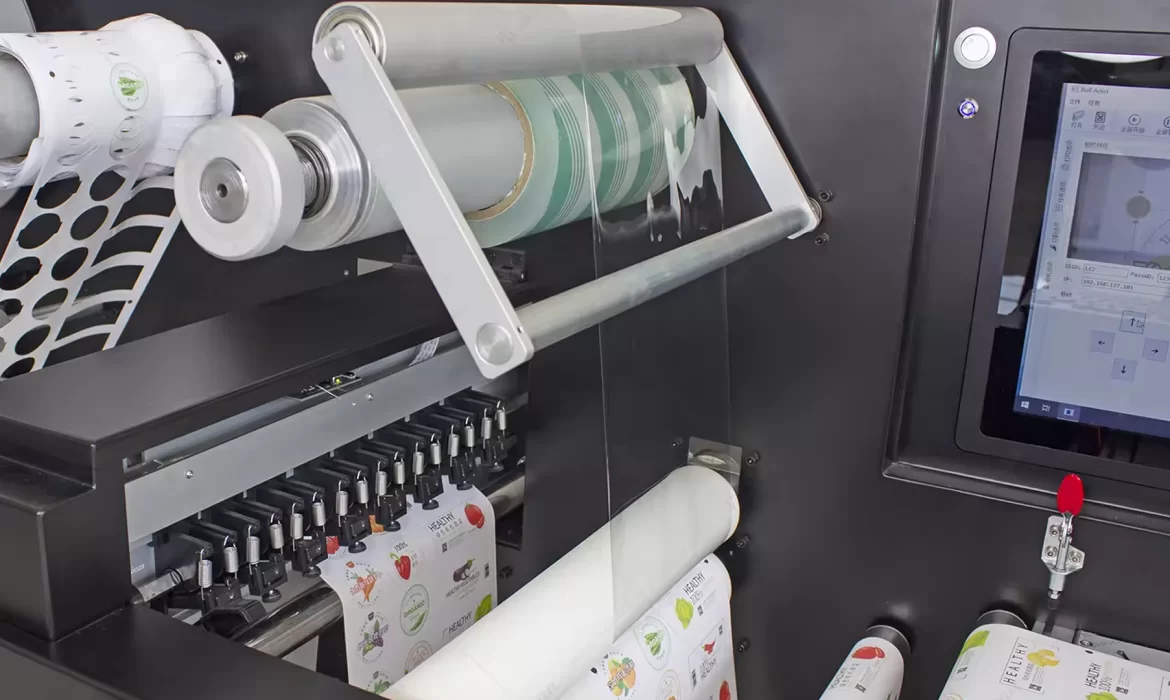
A heat transfer machine is used for apparel. It is also used for industrial labeling. The final finish depends on film coating. It also depends on heat and pressure settings. Proper calibration ensures a consistent digi print appearance.
Why Paper Gloss Dominates the Final Look
Many beginners assume ink determines gloss. In reality, paper plays the larger role. Paper surfaces control how light reflects.
For example, printing glossy ink on matte paper looks matte. Printing standard ink on glossy paper looks shiny. This occurs because the paper structure dominates reflection. Therefore, media selection is critical.
Common Gloss Issues in Digi Print
Even with modern equipment, problems occur.
Gloss Differential
Gloss differential happens when printed areas look shinier than others. This effect appears in large solid colors.
Bronzing
Bronzing occurs when colors reflect light differently from the paper. This problem is common in pigment systems.
Uneven Gloss
Uneven gloss appears when ink coverage varies. Proper calibration of press machines helps. Clean print heads also reduce this issue.
How Professionals Control Gloss in Digi Print
Professionals use several techniques. They maintain consistent quality.
Choose the Right Media
Selecting the correct paper is the first step. Different surfaces create different reflections.
Optimize Ink Settings
Software allows adjustment of density. It also controls drying parameters. These settings influence final gloss.
Maintain Equipment
Regular servicing keeps press machines operating. Aura Sign Advertising provides this support in the UAE. Their expertise helps businesses maintain high production.
Digi Print Industry in the UAE
The UAE is a hub for printing technology. Signage companies rely heavily on these solutions. Many businesses source materials through specialized suppliers. Professional printing solutions and materials can be explored through Izra UAE. Izra offers industry resources for professionals.
The demand for high-quality printing continues to rise. Companies like Aura Sign Advertising play a crucial role. They supply press machines and printer ink. They also provide expert technical support.
Managing Expectations in Digi Print
In the world of digi print, expectation versus reality is key. Clients often want the highest gloss possible. However, high gloss can cause glare. Glare makes text hard to read.
Professionals often suggest semi-gloss finishes. Semi-gloss provides a balance. It offers color pop without the blinding reflection. This balance is achieved through the right printer ink density. It also requires the right heat press machine settings for textiles.
Environmental Factors
Temperature and humidity affect gloss. High humidity can slow ink drying. Slow drying changes how ink settles. Professional shops use climate control. This ensures the press machines perform perfectly.
The Role of Over-Lamination
Sometimes, the ink and paper are not enough. Professionals use laminates to add gloss. A clear film is applied over the digi print output. This creates a uniform shine. It also protects the printer ink from scratches.
The Science Behind Light and Digi Print
Light hits a surface and bounces back. This is basic physics. In digi print, we manipulate this bounce. Smooth coatings fill the gaps in paper fibers. When printer ink sits on this coating, it stays flat. A flat surface is a mirror-like surface.
Diffuse vs. Specular Reflection
Matte surfaces cause diffuse reflection. Light scatters in many directions. Glossy surfaces cause specular reflection. Light bounces in one direction. Print heads must lay ink perfectly to maintain specular reflection. If the droplets are uneven, the “mirror” breaks.
Future Trends in Digi Print Gloss
Technology never stops. New printer ink formulas are being developed. Some inks now have “gloss optimizers.” This is a clear fluid. It fills the gaps between pigment particles. It makes the surface level.
Digital enhancement presses are also rising. These press machines add spot UV effects. This allows for gloss in specific areas. It creates a tactile experience. This is the future of high-end digi print marketing.
Choosing Aura Sign Advertising for Your Needs
Success in digi print requires the best tools. Aura Sign Advertising understands this. They provide the UAE with top-tier press machines. They also offer reliable print heads for long-term use.
Working with brands like Mimaki and Roland ensures quality. Their team offers annual maintenance contracts. This means your heat transfer machine stays calibrated. Your production stays uninterrupted.
Support and Training
Aura Sign Advertising does more than sell. they provide training. They teach how to handle printer ink for best results. They help you master your press machines. This partnership drives success in the local market.
Conclusion
The gloss level in digi print is influenced by many factors. Both the printer ink and the paper surface matter. However, paper gloss often has a stronger effect. Ink formulation and substrate absorption contribute to the finish.
Advanced print heads and reliable press machines ensure consistency. Proper calibration is also essential. In specialized tasks, a heat press machine or heat transfer machine influences the look. For professional providers, understanding this relationship is vital. Choosing the right media leads to better results.
With support from Aura Sign Advertising and regional suppliers, businesses thrive. They continue delivering high-quality digi print solutions for all sectors. Would you like me to help you draft a maintenance schedule for your printing equipment?